Supporting the Right Time and Right Place
Maintain soil moisture at optimal levels to reduce crop stress, maximize yield, and improve nutrient efficiency.
What It Is
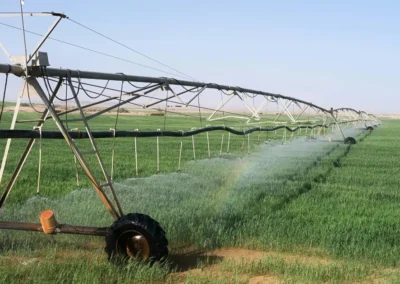
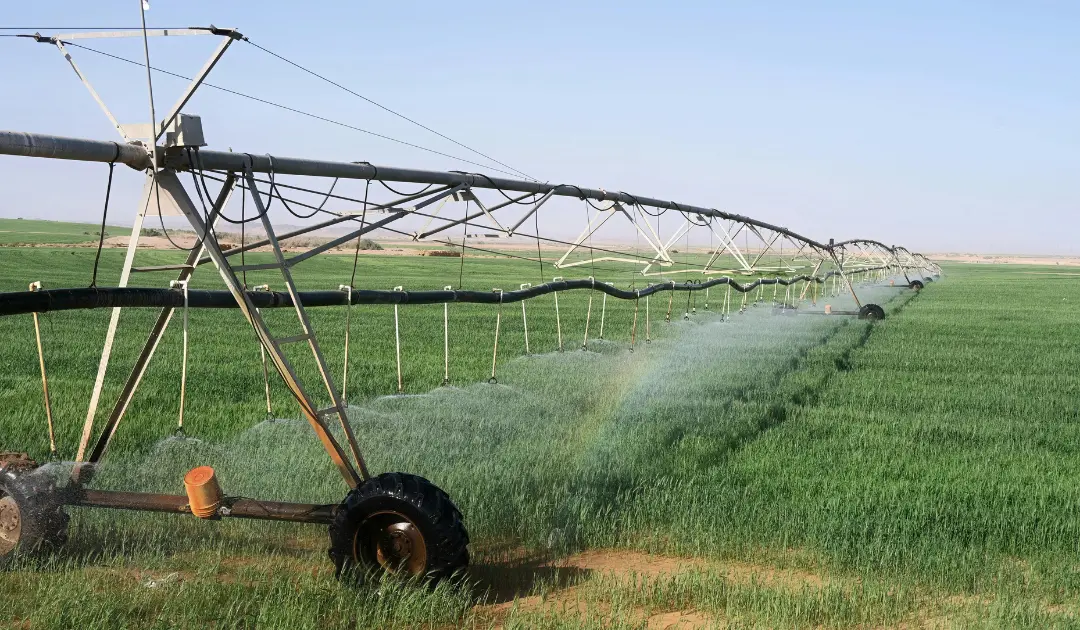
Irrigation Water Management (IWM) ensures that crops get just the right amount of water — enough to avoid stress, but not so much that water and nutrients are lost. Proper scheduling makes irrigation systems more efficient, supporting both productivity and water quality.
What to Expect
- Increased yields → Prevent crop losses during dry spells by maintaining ideal soil moisture.
- Improved nutrient efficiency → Smaller, more frequent irrigations result in better nitrogen uptake than infrequent, heavy applications.
- Better resource use → Optimize investments in fertilizer, water, and energy while protecting the environment.
Water Management Basics
The key to IWM is knowing your soil’s water-holding capacity. Applying more than your soil can store leads to runoff or leaching below the root zone. Scheduling smaller applications at the right time keeps nutrients available and reduces environmental losses.
Scheduling Methods
- Checkbook Method → Tracks soil water balance using evapotranspiration, rainfall, and irrigation data. Tools like the Delaware Irrigation Management System (DIMS) make this easier online.
- Soil Moisture Monitoring → Use tensiometers, moisture sensors, or the USDA’s Feel & Appearance Method to gauge soil moisture in real time.
- Field observations → Always pair scheduling tools with in-field checks to adjust for crop variety, density, or soil conditions.
Proven Insights
A University of Delaware study showed that higher irrigation amounts didn’t always mean higher yields. In fact, the wettest treatments slightly reduced yields — highlighting that more water isn’t always better.
Getting Started
- Use local tools like DIMS to estimate water needs.
- Combine soil moisture sensors with field scouting for accuracy.
- Set thresholds for irrigation events to balance crop needs and water conservation.
Resources:
- Delaware Environmental Observing System (DEOS)
- Delaware Irrigation Management System (DIMS)
- Estimating Soil Moisture by Feel and Appearance (USDA NRCS Guide)
- Irrigation Water Management Factsheet (Delaware-Maryland 4R Alliance)